Introduction: What Are Backlinks?
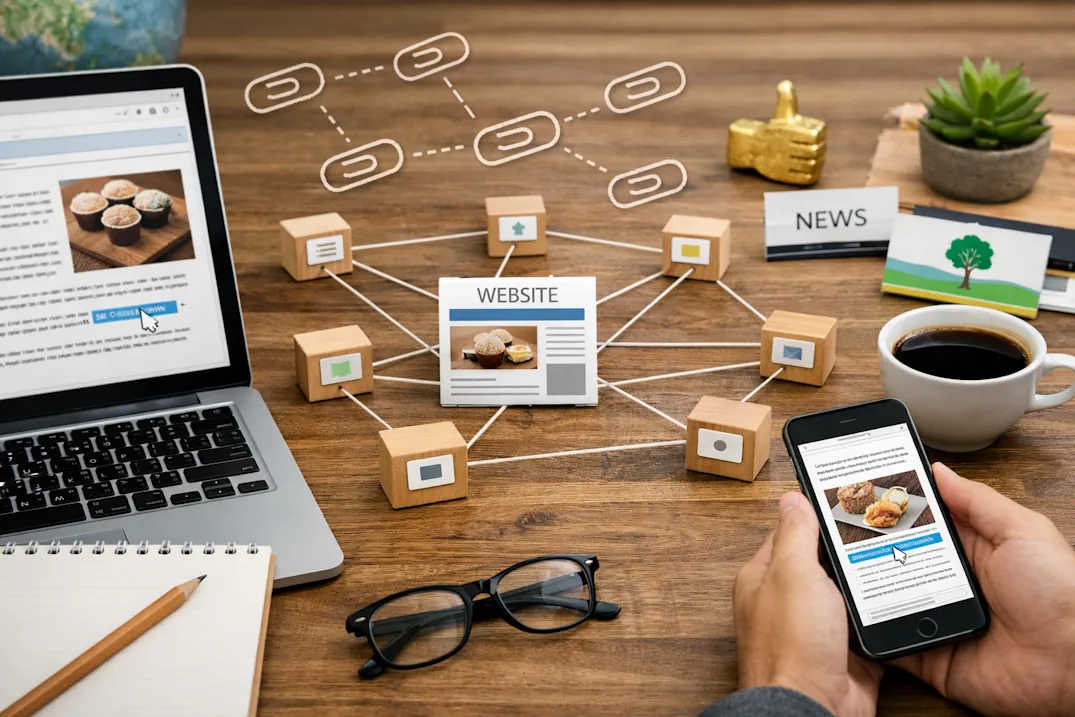
A backlink is a link on another website that points to your site, and these links are important because they act like endorsements that help search engines trust and rank your site higher.
I often explain backlinks to DIY website owners as the word-of-mouth of the internet. A backlink (also called an inbound link) simply means another website is referring users to yours.
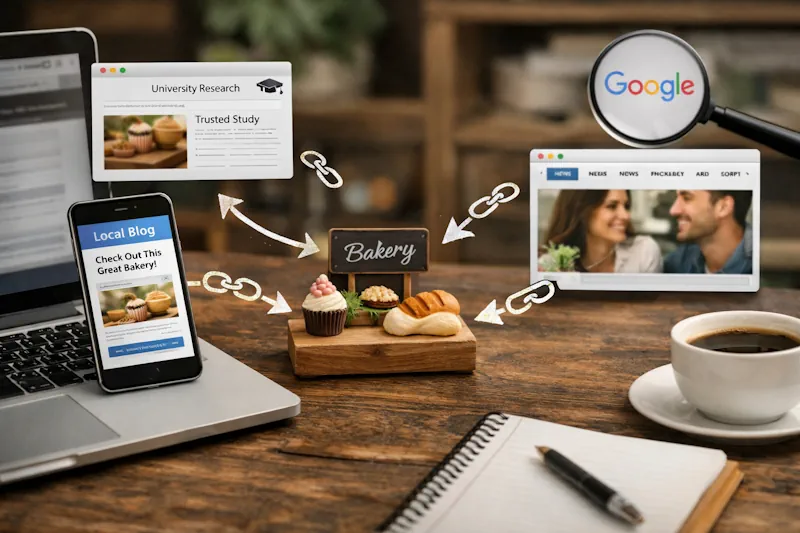
For example, if a local blogger mentions your bakery and links to your site, that’s a backlink. In Google’s eyes, each high-quality backlink is a thumbs-up for your content. Search engines use backlinks as signals of trust and authority.
In fact, Google studies the number and quality of backlinks pointing to a site to gauge how reputable it is. So, links from well-known, relevant sites can significantly boost your visibility, while spammy links can hurt it.
How Search Engines Use Backlinks?
Search engines like Google treat backlinks as votes of confidence. If many trusted sites link to yours, Google thinks “Hey, this must be valuable!” and may rank you higher. The famous PageRank algorithm is built on this idea: pages pass “link equity” to each other through backlinks.
A link from a high-authority site passes more value than a link from a small, irrelevant one. Think of it like referrals in real life: a recommendation from a respected expert (a high-authority website) is more powerful than one from a complete stranger.
On the flip side, Google discourages manipulative link practices: it explicitly warns not to buy or swap links, calling those “the worst ways” to gather links. In short, Google rewards natural, relevant backlinks and can penalise unfair link schemes.
How to Get Good Backlinks?
Building a healthy backlink profile takes time, but here are some proven tactics to earn valuable links naturally:
- Create useful content: Write blog posts, guides, or create tools that your audience finds helpful. High-quality, shareable content (like infographics or how-to guides) attracts links on its own. For example, providing valuable information or tools compels others to reference your site.
- Leverage partnerships: Use your local network. List your business in relevant directories (like your Chamber of Commerce or local industry groups). Partner with complementary local businesses or charities for events; they often link back to sponsors.
- Guest posting and PR: Offer to write articles for industry or local websites. A well-written guest post lets you include a link back to your site. Press releases about newsworthy events can also generate coverage (and links) from local media.
- Engage on social and blogs: Share your content on social media and professional networks. Comment thoughtfully on related blogs or forums. While social shares themselves are “nofollow,” they get your name out there and can lead bloggers to link to your site later.
- Avoid shortcuts: Never buy backlinks or join link schemes. Google’s guidelines are clear: paid or auto-generated links can trigger penalties. Instead, focus on genuine outreach and relationship-building.
These efforts work together. For example, one idea from SEO experts is to find unlinked mentions of your business (where someone talks about you without linking) and kindly ask them to add a link. Each tactic reinforces the others, so keep at it consistently.

How a Web Developer or SEO Specialist Can Help With Getting Backlinks?
You don’t have to tackle backlinks entirely on your own. A good web developer or SEO specialist can guide you and handle many details:
- Technical setup: I can ensure your site is fast, mobile-friendly and easy to navigate. That makes other sites more willing to link to you, and helps search engines crawl your site smoothly.
- Content strategy: I can help brainstorm and write the kind of content that attracts links (like detailed guides or local stories). Then I can outreach to bloggers, journalists or partners on your behalf.
- Outreach and networking: I often have contacts and tools to find link opportunities. For instance, I might use an SEO tool to see who links to your competitors and reach out to those sites.
- Monitoring and cleanup: Using tools like Google Search Console and Semrush, I track new backlinks. If any harmful or spammy links appear, I’ll advise you how to disavow them or get them removed.
In other words, I can take the technical and outreach tasks off your plate so you can focus on your business. It’s a collaborative effort: you know your business best, and I know how to make Google notice it.
Conclusion: Backlinks Are Essential for SEO Success
Backlinks are crucial for SEO because they tell Google your site is trustworthy and valuable. For a small business, earning quality backlinks is like getting strong word-of-mouth recommendations online. By creating great content, engaging your community, and partnering with experts, you can build these powerful endorsements over time.
If you’d like to chat about improving your website’s SEO or building more backlinks, please feel free to contact me. I’m always happy to answer questions and help your business grow online.